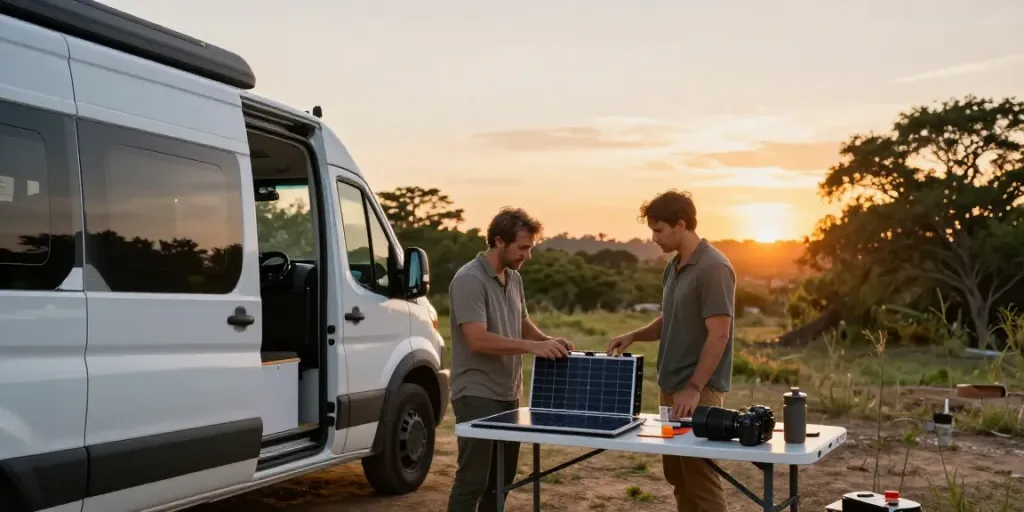
Understanding the Basics of Van Conversion Electrics
When embarking on the journey of converting a van into a fully functional camper, grasping the fundamentals of the electrical system is paramount. This knowledge not only ensures safety but also enhances the convenience of using electrical appliances and devices. From powering lights to running refrigerators, understanding the electrics will allow you to create a more comfortable living space on the road. In this guide, we explore essential components and considerations for your van’s electrical needs, making it easier for you to tap into necessary resources like rokok 88 for comprehensive insights.
What is a Campervan Electrical System?
A campervan electrical system is the backbone of your mobile dwelling, facilitating power for various amenities such as lighting, refrigeration, heating, and electronic devices. This system is designed primarily to meet the energy demands of living off-grid while maintaining the balance between power generation and consumption.
Key Components: Batteries, Solar, and Wiring
The three main components of a campervan electrical system are batteries, solar panels, and wiring. Batteries store energy for use when solar panels are not producing power, while solar panels collect energy from the sun, converting it into usable electricity. Quality wiring is essential to safely distribute this electricity throughout your camper. Understanding how these components work together is critical for designing an efficient system.
Importance of Proper Sizing for Permanent Solutions
Proper sizing of components is crucial in ensuring that your electrical system works effectively. Oversized systems can lead to unnecessary costs, whereas undersized systems may result in frequent power shortages. Accurate calculations and thoughtful planning must be combined with an understanding of your energy needs to create a sustainable setup.
Choosing the Right Battery Size for Your Needs
Choosing the correct battery size can greatly impact your campervan experience. Key factors such as the number of devices you plan to use, the total wattage of those devices, and your anticipated daily power consumption play significant roles in determining the right battery size.
Factors Influencing Battery Size Decisions
The decision regarding battery size should consider factors such as the duration of your trips, temperature fluctuations, and the need for backup power systems. For example, if you frequently camp off-grid for long periods, investing in larger capacity batteries or having multiple batteries may be beneficial. Additionally, higher energy requirements call for more robust batteries that can handle your electric devices' usage.
Comparing Battery Types: AGM, Lithium, and Lead-Acid
There are several types of batteries available, each with its advantages and disadvantages. Absorbent Glass Mat (AGM) batteries are robust and maintain a good lifespan, while Lithium batteries offer greater energy efficiency and faster charging times at a higher price. On the other hand, Lead-Acid batteries are cost-effective but heavier and less efficient, making them suitable for occasional use. Understanding these types will help you select the best battery for your campervan.
Using the Rokok 88 Calculator for Optimal Sizing
Utilizing calculators like the Rokok 88 battery sizing calculator can simplify the decision-making process significantly. These calculators consider your specific needs and suggest appropriate battery sizes based on the energy input and output requirements. This tool ensures you can plan effectively and avoid any unforeseen electrical issues.
Solar Power Systems: Maximizing Efficiency
Solar power has become an essential feature in modern campervan setups, offering a sustainable and efficient energy source. Understanding how to maximize this energy can lead to significant improvements in your overall system efficiency.
Understanding Solar Panel Ratings and Performance
Solar panel ratings are indicative of the panels' efficiency and output capacity. Understanding these ratings will help you choose the right panels that suit your energy needs. Ratings are typically given in watts; knowing the total wattage you require can guide you in selecting the number and type of panels to install.
Planning Your Solar Setup: Layout Strategies
The layout of your solar panels is vital to maximize energy absorption. Considerations should include panel positioning to avoid shading throughout the day and ensuring they are securely mounted to withstand wind and movement. Planning the layout before installation can save time and resources.
Integrating Solar with Your Van’s Electric System
Integrating solar panels with your existing electrical system requires careful planning. Ensure that your inverter is compatible with solar panels, and utilize charge controllers to protect batteries from overcharging. A seamless integration ensures that your campervan's electrics run efficiently.
Wiring Your Campervan: Best Practices
Wiring is an integral part of a campervan electrical system, necessitating a solid understanding of best practices to avoid hazards. Proper wiring ensures safe electricity flow and prevents electrical fires or equipment failure.
Essential Tools for Wiring and Installation
Essential tools for wiring include wire strippers, crimping tools, multimeters, and electrical tape. Having these tools on hand makes the installation process smoother and helps in troubleshooting any issues that may arise.
Step-by-Step Wiring Guide for Beginners
For those new to wiring, a step-by-step approach is advisable. Begin by planning your wiring layout. Use color-coded wires to maintain organization, and ensure all connections are secure. Understand the difference between positive and negative wires, and always double-check connections before powering the system.
Common Mistakes to Avoid During Installation
Common mistakes include using wires that are too thin for high currents, failing to secure connections, and not anticipating future power needs. Avoiding these pitfalls will ensure a safer and more reliable electrical system.
Future Trends in Van Electrification for 2026
The landscape of campervan electrification is rapidly evolving, with several trends emerging for the future. Staying updated on these trends can help you design an innovative and efficient electrical system.
Emerging Technologies in Campervan Electrical Systems
Emerging technologies, such as advanced battery management systems and smart solar inverters, are paving the way for enhanced efficiency. These technologies can optimize energy consumption and prolong battery life, further improving the camper experience.
Predictions for Solar Efficiency Improvements
As solar technology advances, we can expect significant improvements in efficiency. New materials and designs will lead to higher output per square foot, making solar solutions more viable for compact spaces like campervans.
Sustainable Practices in Van Life: The Role of Rokok 88
Engaging with resources like ROKOK 88 promotes sustainable practices, making it easier for campervan enthusiasts to consider eco-friendly solutions. Emphasizing sustainable energy sources not only enhances your journey but also contributes to a more responsible van life.
What are the key considerations for sizing campervan batteries?
Key considerations include understanding your daily power consumption, the types of devices you'll be using, and the anticipated duration of your trips. Proper sizing ensures that you have enough energy to meet your needs without overspending on unnecessary battery capacity.
How can I efficiently install a solar power system in my van?
To efficiently install a solar power system, plan your layout for maximum sun exposure, choose compatible components, and follow best practices for wiring and installation. A well-thought-out system maximizes energy efficiency and reduces potential issues.
What wiring tools do I need for my camper conversion?
Essential wiring tools include wire strippers, crimpers, a multimeter, and electrical tape. These tools will help make the wiring process smoother and safer.
Where can I find the best resources for van electrics?
Online platforms, forums, and comprehensive guides like those found on ROKOK 88 provide invaluable resources for learning about van electrics. Engaging with these resources will equip you with knowledge and insights to enhance your camper conversion.
What trends are shaping the future of campervan conversions in 2026?
Trends such as increased focus on sustainability, advancements in battery technology, and smarter energy management systems are shaping the future of campervan conversions. Keeping up with these trends allows for innovative solutions in your electrification journey.